
Eastern Oregon’s agricultural research legacy celebrates over a century of discovery, innovation and service
By Montana Burack
T
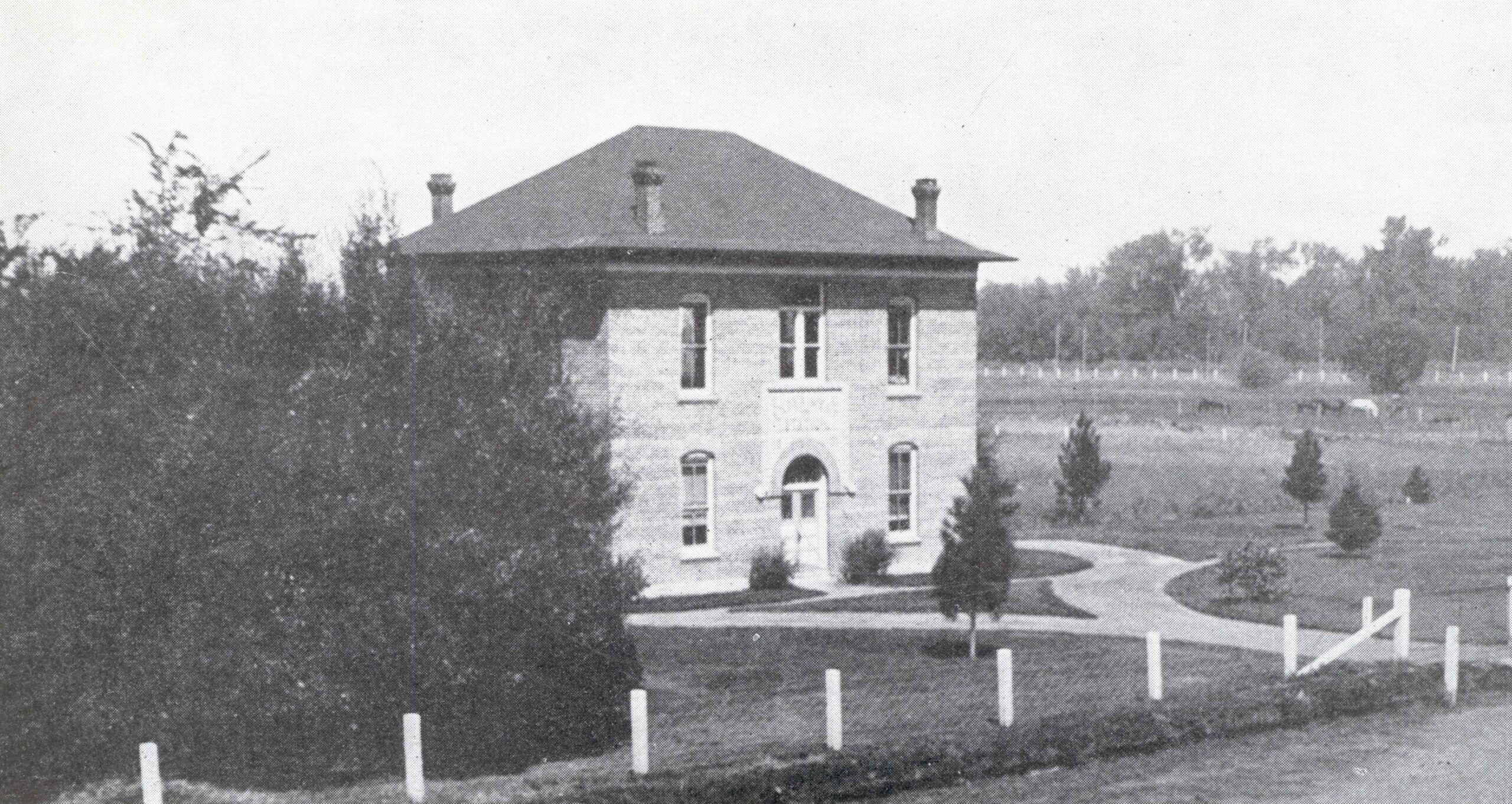
EOARC-Union was established in 1901 after the then-Governor of Oregon, Theodore T. Geer, had a vision for the construction of an agricultural center in the small town of Union on land originally set aside by the state for the creation of an asylum.
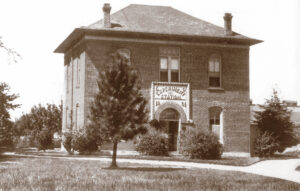
After persistent lobbying of legislators in Salem from Union citizens, encouraged by Governor Geer’s suggestion, the governor’s vision for a place supporting agricultural research and education in Northeast Oregon became a 600-acre agricultural research station complete with a superintendent and a newly built brick office.
Throughout its history, research at EOARC-Union has included many studies into the health, nutrition, growth, and shrinkage of cattle, sheep, pigs and chickens. Additionally, researchers at the station performed studies into breeding a breadth of crops ranging from artichokes to barley to grapes.
In 1933, the station was said to have the oldest field of alfalfa in the state of Oregon, planted in 1907. From 1930 to World War II, the station was involved in a regional project growing many species and varieties of range plants and seeds through the Soil Conservation Service, the precursor to the Natural Resource Conservation Service. The station has also exhibited forages, cereals and seed at country and state fairs and at major events such as the Chicago World’s Fair and the San Francisco World’s Fair.
As agricultural and natural resource issues have changed and expanded, the research at the station has evolved to meet ongoing needs. EOARC-Union collaborates with and serves groups that work toward understanding and solving shared challenges, with many of EOARC-Union’s studies done in partnership with diverse groups, including ranchers, land managers, nonprofits like The Nature Conservancy, governmental agencies and tribes such Confederated Tribes of the Umatilla Indian Reservation and Nez Perce Tribe.
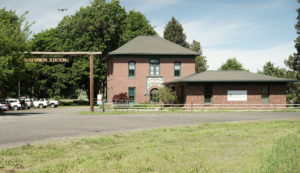
Currently, research focuses on a suite of environmental and management issues such as rangeland restoration, the impact of cattle, elk and deer on riparian restoration, virtual fencing and the decline of the region’s mule deer populations. Additionally, researchers are investigating culturally important First Foods, the impacts of riparian restoration projects on invertebrate populations and fish such as salmon and trout, the spread of invasive crawfish and the relationships between livestock grazing and pollinator populations.
EOARC-Union also has facilitated extensive education and outreach over the years- from hosting annual rotating field days showcasing the station’s research to the public since 1911, to the mentoring of graduate students and interns and faculty teaching undergraduate courses at Oregon State University’s Eastern Oregon Agriculture and Natural Resource Program at Eastern Oregon University in La Grande.